Across the United States, from vibrant food markets to trendy fusion cafés and diaspora-owned restaurants, one cuisine is rising fast: Kenyan food. It’s not as globally mainstream as Thai or Mexican cuisine yet but in 2025 it’s becoming one of the most talked-about international food experiences, especially in multicultural cities like Seattle, Minneapolis, Houston, Los Angeles, and Boston.
What makes Kenyan cuisine so captivating to Americans? Why is a plate of nyama choma, pilau, sukuma wiki, or chapati suddenly becoming a comfort meal, a cultural discovery, or even a new favorite lunch?
Let’s dig into the layers flavor, community, story, tradition, and modern innovation to discover why Kenyan food is becoming a beloved part of America’s diverse food landscape.
1. Kenyan Food Balances Familiar Comforts With Exotic Excitement
Americans love trying new foods—but they also love dishes that feel comforting and homey. Kenyan cuisine hits both notes effortlessly.
- The comforting familiarity:
- Grilled meats? Familiar.
- Stews? Familiar.
- Fried bread? Very familiar.
- Rice dishes? A staple in nearly all cultures.
Yet at the same time…
- The Kenyan twist:
- Pilau’s spices (cardamom, cumin, cloves, cinnamon) feel exotic but not overwhelming.
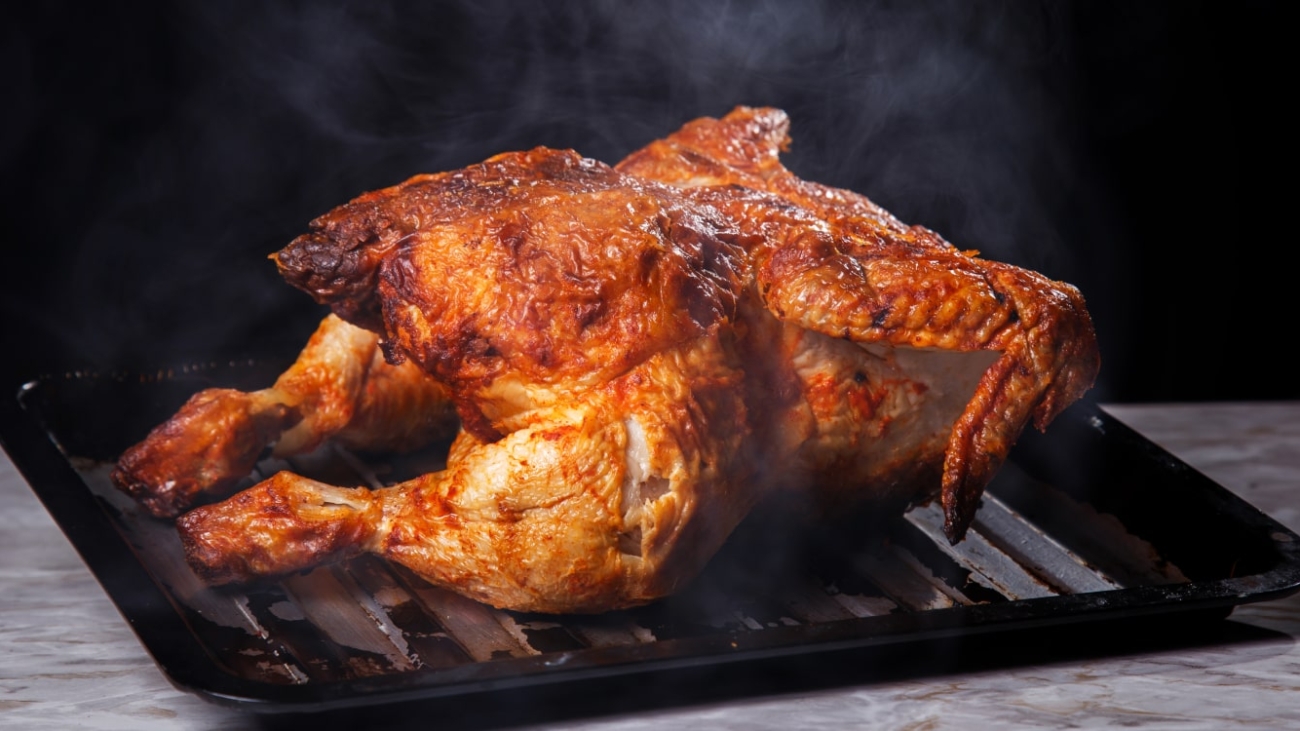
- Nyama choma’s charcoal aroma is universal, yet uniquely Kenyan in marination and cut.
- Chapati is softer and flakier than many American flatbreads.
- Mandazi tastes like a tropical cousin of a doughnut.
This makes Kenyan food approachable for first-timers, yet exciting enough for adventurous eaters.
2. Kenyan Cuisine Is Naturally Flavor-Forward Not Too Spicy, Not Too Plain
One reason Americans fall in love with Kenyan food is its balance of flavors. Instead of being extremely spicy or very mild, Kenyan dishes are usually:
- Aromatic
- Warmly spiced
- Rich and savory
- Balanced with freshness
For example:
- Pilau smells like a warm spiced market on the coast of East Africa.
- Sukuma wiki brings earthy greens to life with tomatoes and onions.
- Kachumbari adds a bright, refreshing tang to heavier dishes.
- Coconut-based coastal dishes bring creamy richness without heaviness.
This balance makes Kenyan food incredibly satisfying, layered, and memorable—a flavor experience without overwhelming the palate.
3. Kenyan Food Comes With Rich Cultural Stories Americans Love
In the age of social media, people don’t just want food; they want stories.
Kenyan cuisine comes with:
- Centuries of cultural blending (African, Arab, Indian, and even European influences).
- Regional diversity—Luo fish traditions, Kamba vegetable dishes, Maasai dairy-based meals, coastal Swahili flavors, and more.
- Family-centered cooking—many recipes are passed down through generations.
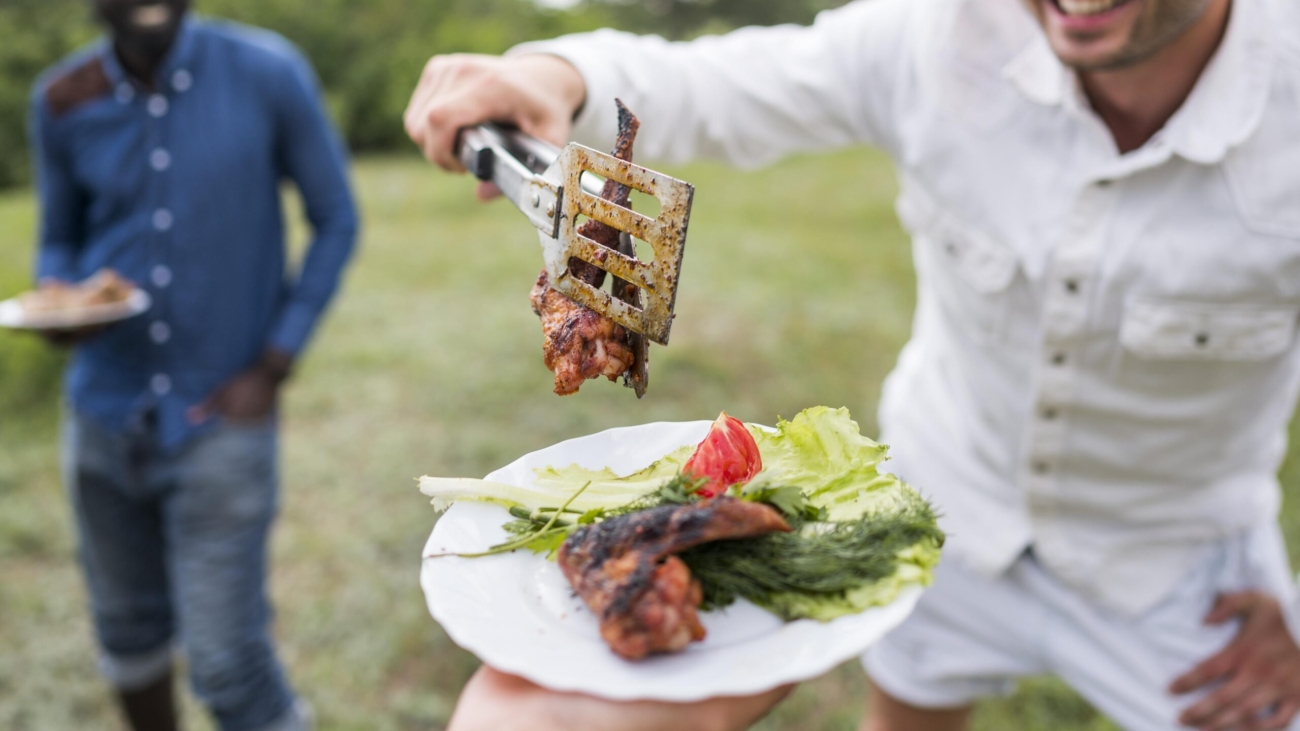
- Communal eating traditions like nyama choma gatherings.
Americans find this cultural depth fascinating. Food isn’t just food—it’s a gateway into understanding Kenyan heritage, lifestyle, festivals, and family traditions.
4. Kenyan Dishes Are Often Nutritious — Without Compromising Comfort
As Americans shift toward healthier eating, many are surprised that Kenyan meals naturally balance:
- Vegetables (sukuma wiki, cabbage, managu)
- Whole grains (maize, sorghum, millet in traditional dishes)
- Lean meats (nyama choma, kuku choma, fish)
- Legumes (beans in githeri or irio)
Meals like:
- Githeri — a nutritious maize-bean stew
- Irio — mashed peas, corn, potatoes
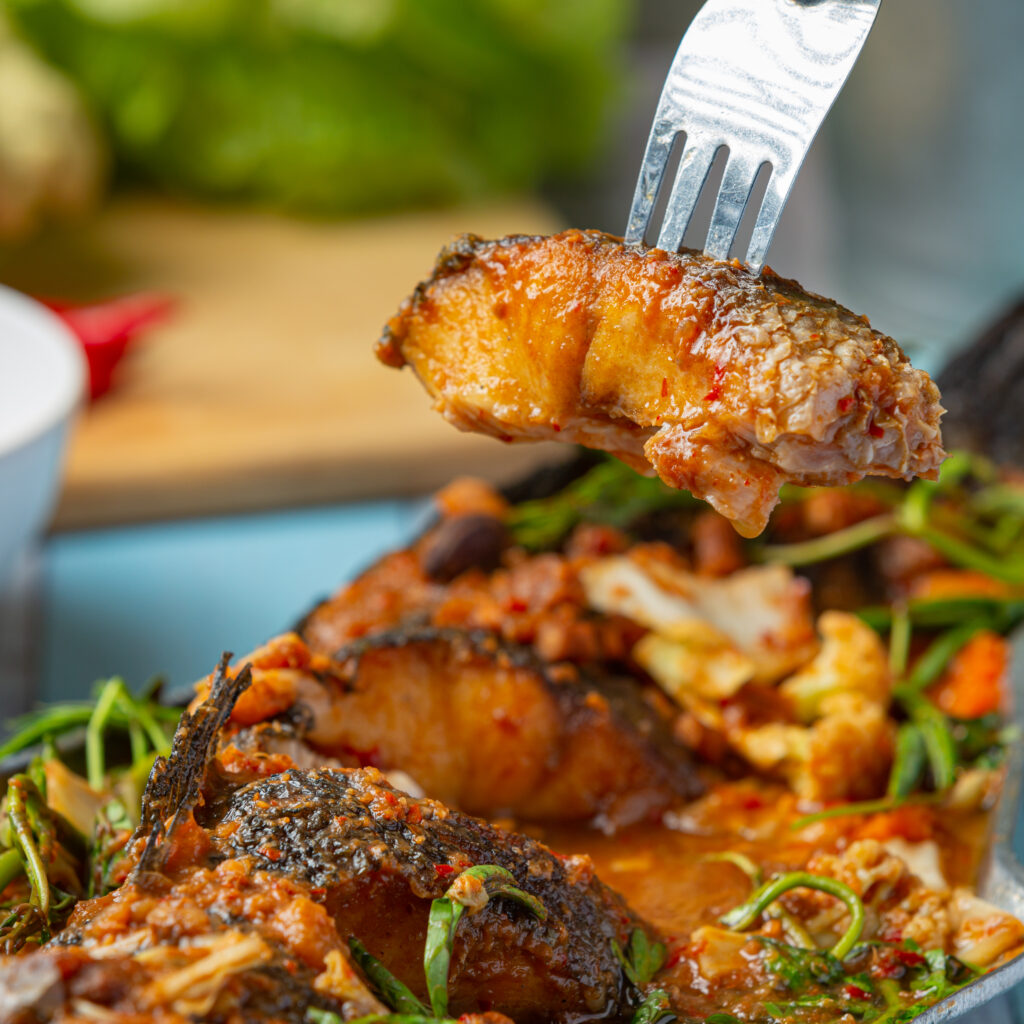
- Tilapia stew — fresh, flavorful, high-protein
- Sukuma wiki — one of the healthiest leafy greens dishes globally
…pack nutrition without being marketed as “health food.” They’re simply wholesome Kenyan staples.
This appeals to Americans who want healthy meals but don’t want to feel like they’re dieting.
5. Kenyan Comfort Food Is Becoming a Cultural Bridge for the Diaspora
For Kenyan-Americans, food is a powerful connection to home. Restaurants like La Fusion Café and other Kenyan-owned establishments act as:
- Community hubs
- Cultural gathering spaces
- Celebration venues
- Places to reconnect with childhood flavors
But what’s beautiful is that these spaces also welcome non-Kenyans. Americans come in for the food—and stay for the warmth, hospitality, and cultural experience.
Many people try Kenyan food because:
- They have Kenyan friends
- They attended a cultural festival
- They saw dishes on TikTok or YouTube
- They are curious about African cuisines
- They love diverse food experiences
And once they try it… they come back.
6. The Rise of African Food Interest in the U.S. Boosts Kenyan Cuisine
There’s currently a fast-growing curiosity in America for African foods. Ethiopian cuisine paved the way decades ago, followed by:
- Nigerian jollof becoming a sensation
- Ghanaian waakye and shito trending online
- Tanzanian and Ugandan dishes appearing in food festivals
- Afro-fusion restaurants opening coast to coast
Kenyan cuisine is now stepping into the spotlight—helped by:
- Social media food creators
- Kenyan celebrities and athletes gaining global visibility
- African food festivals becoming more common
- Kenyan restaurants marketing themselves creatively
- Fusion menus blending Kenyan flavors with American classics
This creates a rise in demand, curiosity, and enthusiasm.
7. Kenyan Street Food Feels Exciting, Nostalgic, and Soulful
American food culture has a deep love for:
- Street food
- Comfort food
- Hand-held snacks
Kenya’s street food culture offers exactly that.
Popular Kenyan street foods winning over Americans include:
- Smokie pasua (cut sausage filled with kachumbari)
- Samosas (crunchy, savory, and slightly spiced)
- Viazi karai (crispy, turmeric-colored coastal potatoes)
- Mutura (Kenyan sausage with spices)
- Mahindi choma (grilled maize)
These foods are instantly lovable and offer a flavor-packed, affordable experience.
8. Kenyan Fusion Cuisine Is Taking Off in the U.S.
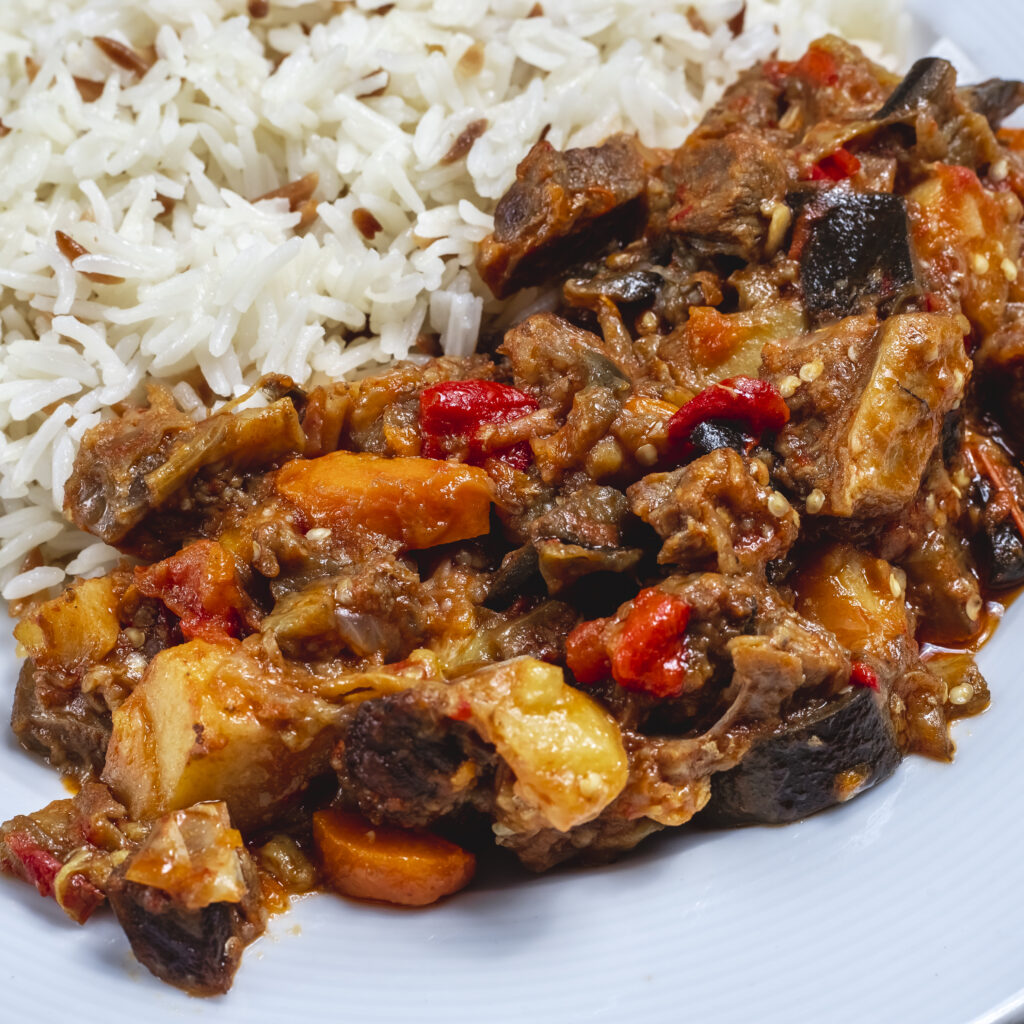
Restaurants like La Fusion Café represent a new wave—blending Kenyan flavors with:
- American comfort foods
- Latin dishes
- Asian inspirations
- Western-style plating
This fusion approach introduces Kenyan flavors in familiar formats, like:
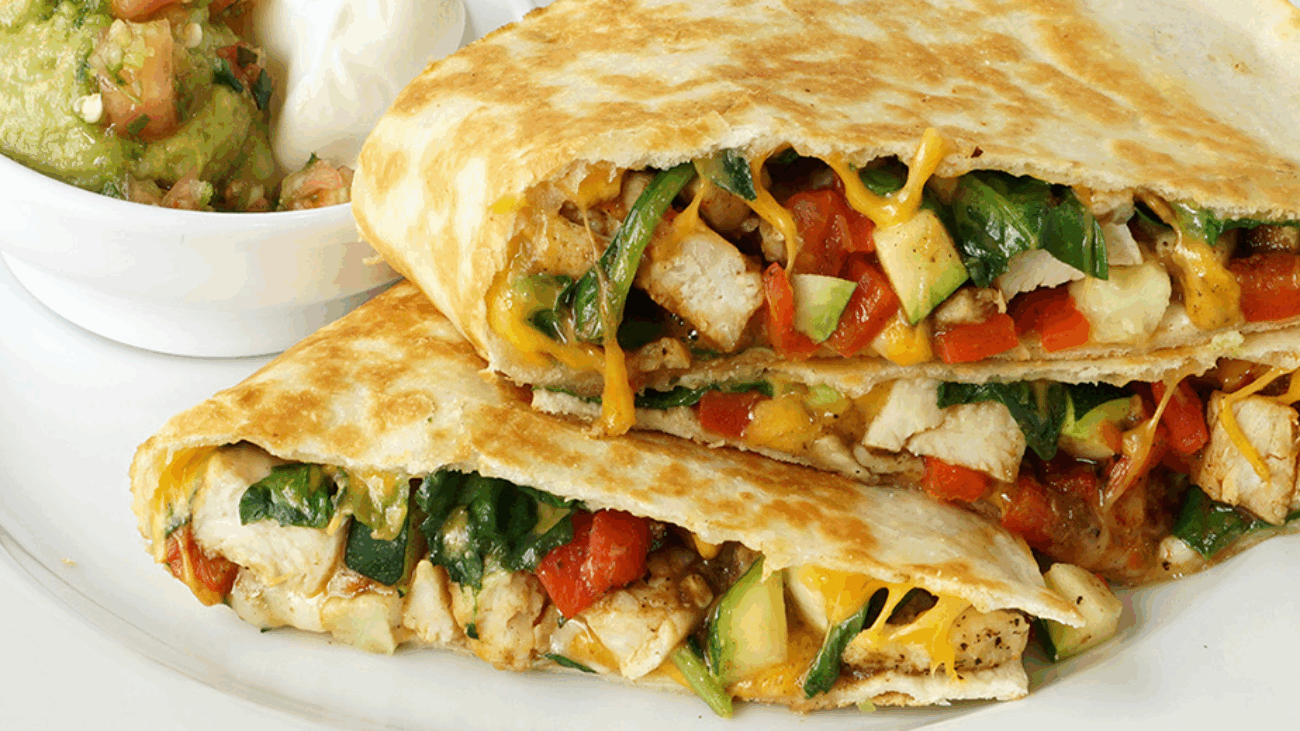
- Kenyan-spiced chicken wraps
- Pilau bowls
- Chapati tacos
- Mandazi desserts
- Swahili coconut curries with rice bowls
Fusion makes Kenyan food modern, trendy, and accessible to younger generations across the U.S.
9. The Warmth of Kenyan Hospitality Leaves a Lasting Impression
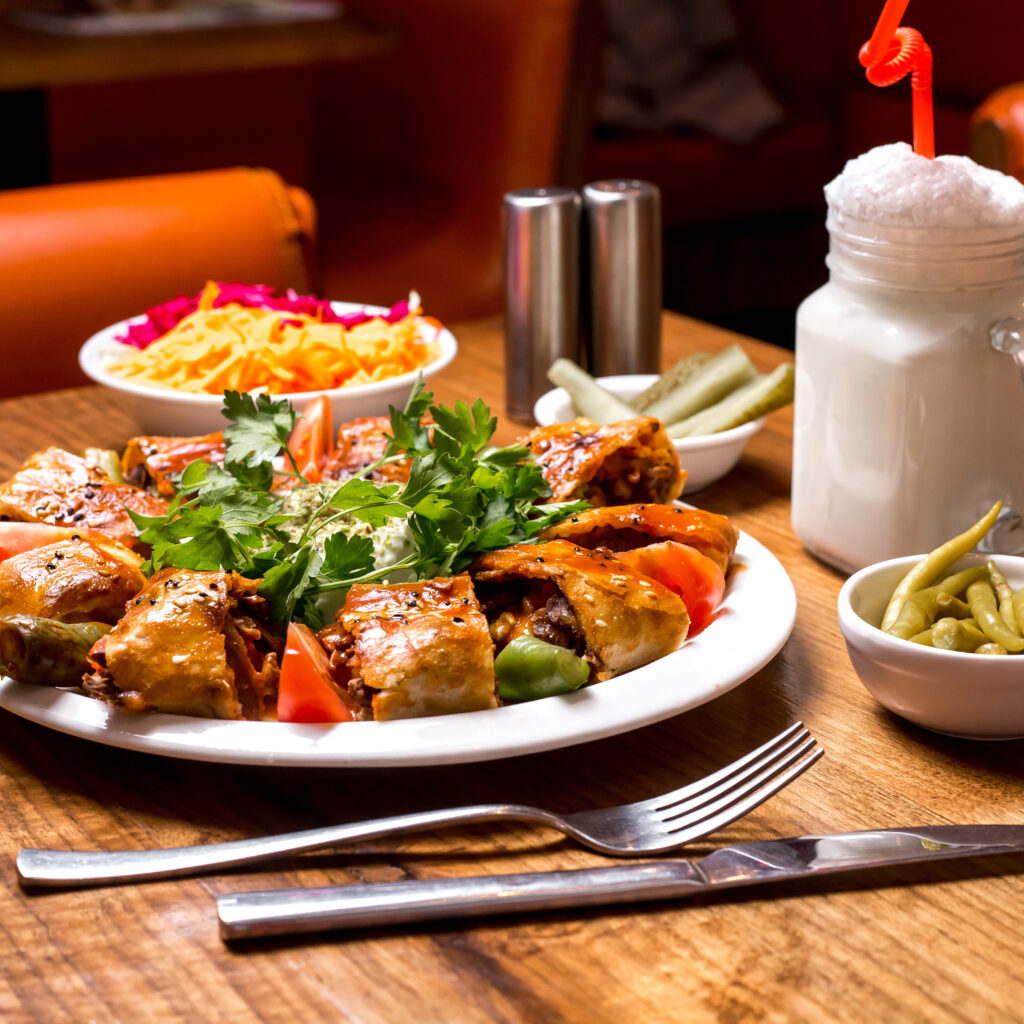
Ask anyone who has dined at a Kenyan restaurant or visited a Kenyan home—they’ll tell you:
Kenyans love to feed people.
The hospitality is unforgettable:
- Generous portions
- Warm welcomes
- Family-style meals
- Vibrant conversations
- A focus on sharing and community
This atmosphere is rare in fast-paced American dining culture—and it leaves people wanting more.
Food may bring someone in… but hospitality brings them back.
10. Kenyan Cuisine Is Bursting With Untold Culinary Stories — and Americans Want More
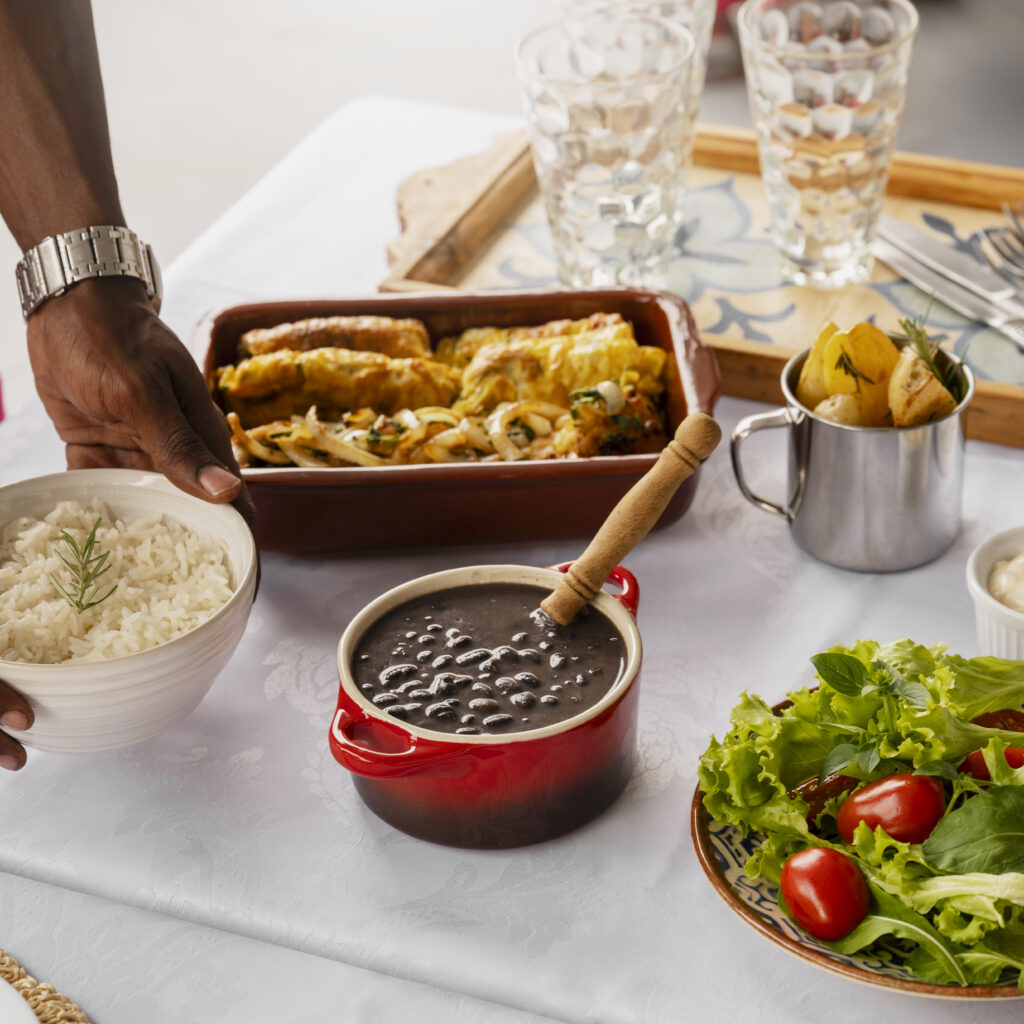
Americans love discovering “hidden gems.” Kenyan cuisine feels fresh, authentic, and deeply rooted in tradition—without being over-commercialized.
People enjoy:
- Learning the meaning behind dishes
- Hearing stories of Kenyan regions
- Discovering how food brings communities together
- Exploring flavors they’ve never tasted before
- Supporting diaspora-owned businesses
Kenyan cuisine isn’t a trend.
It’s a centuries-old culinary tradition finally getting its moment on the global stage.
And America is ready for it.
Conclusion: Kenyan Food Is Not Just Entering the U.S. It’s Thriving
From sizzling nyama choma to fragrant pilau, from chapati to mandazi, from home-style stews to coastal curries, Kenyan cuisine offers something for every palate.
It is:
- Flavorful
- Nutritious
- Cultural
- Joyful
- Comforting
- Innovative
- And deeply rooted in tradition
And that combination is exactly why more Americans are falling in love with Kenyan food every year.
As Kenyan restaurants, fusion cafés, pop-ups, food trucks, and home chefs continue sharing their artistry, Kenyan cuisine is on track to become one of America’s favorite global food experiences.